Are you deciding between a gleaming new condo in Seaport and a beautifully renovated brownstone in Back Bay or the South End? It is a big choice that shapes your daily routine, upkeep, and long-term value. You want a home that fits your lifestyle now and sets you up well for resale later. In this guide, you will learn the key differences in design, maintenance, HOA dynamics, financing, and resale so you can choose with confidence. Let’s dive in.
Boston context at a glance
Boston’s historic brownstones cluster in Back Bay, Beacon Hill, the South End, and parts of Charlestown and South Boston. New luxury developments are common in Seaport, Fenway, and select infill sites across the city. Both options keep you close to transit, dining, and cultural life, but they deliver very different living experiences.
If you plan exterior changes in a historic district, expect formal review. The Boston Landmarks Commission and local architectural commissions oversee visible alterations and some demolitions. Reviews can add weeks or months, especially for façade work, roof decks, or window changes.
Zoning also matters. What you can add, convert, or expand will depend on local rules for use, density, and parking. Explore BPDA zoning and neighborhood plans for context and constraints. For permits and inspections, Boston’s Inspectional Services outlines processes and requirements.
New construction must meet current state codes and energy standards, which can mean better efficiency and accessibility from day one. You can review the framework through the Massachusetts building codes.
Lifestyle and design trade-offs
Space and character
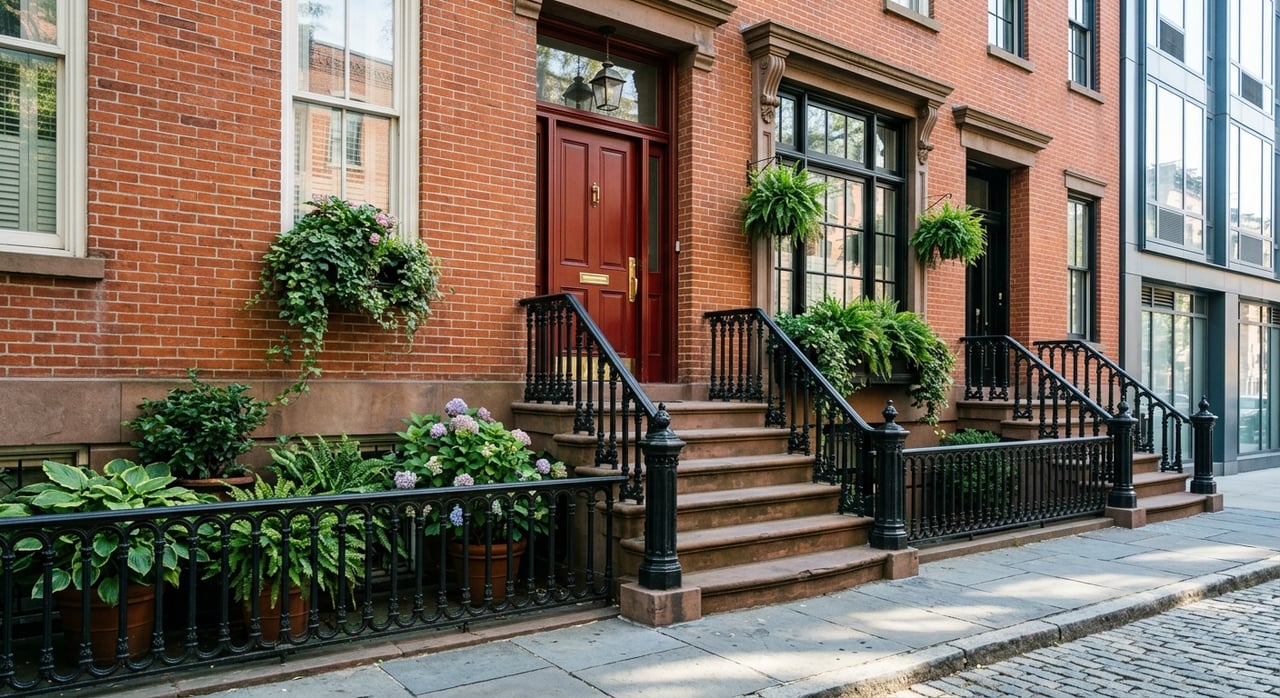
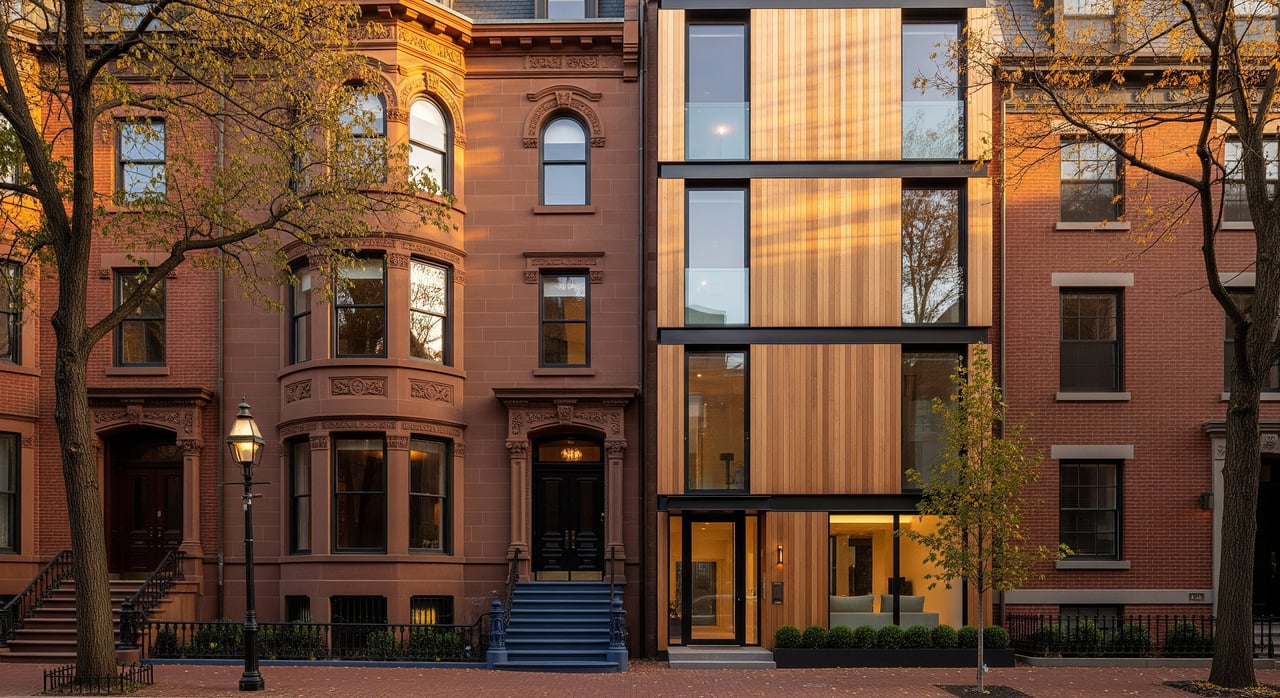
- Renovated brownstone: High ceilings, bay windows, and period millwork offer a unique sense of place. Layouts can be more compartmentalized unless a full structural rework created an open plan.
- New construction: Open layouts, large windows, and modern kitchens tend to define the experience. Elevators and single-level living are common in luxury buildings.
Bottom line: Choose a brownstone for architectural character and a townhouse feel. Choose new construction for contemporary flow and ease.
Light, outdoor space, and amenities
- Brownstone: Expect a stoop, maybe a small rear yard, or a roof deck where permitted. Light is often excellent near bay windows, with interior rooms varying by depth and layout.
- New construction: Balconies or terraces are common, plus shared rooftop or courtyard spaces. Amenity buildings may include concierge, fitness, pool, and lounges.
Consider how you like to entertain. Shared amenity terraces, club rooms, and staffed lobbies can extend your usable living space.
Systems and efficiency
- New construction: Modern HVAC, high-performance windows, insulation, and smart-home wiring reduce short-term maintenance and usually come with developer warranties.
- Renovated brownstone: High-end renovations can replace all systems, but older building fabric may still require periodic work. Masonry, wood trim, and chimneys can add ongoing maintenance needs.
Tip: Ask for documentation of recent work, including permits and contractor warranties, and confirm code compliance.
Parking, access, and privacy
- Parking: Many new buildings offer structured parking, sometimes with valet service. Brownstones may have no off-street parking unless the property includes a rear parking pad or garage.
- Access: Elevators in new buildings help with groceries, strollers, or mobility needs. Brownstones often involve stairs and multi-level living.
- Privacy: Single-family brownstones can feel more private. Condo living includes shared spaces and building community.
Costs, maintenance, and HOA dynamics
Single-family brownstone costs
- You maintain everything inside and out. Major items include roof, masonry repointing, lintels, drainage, window restoration, chimneys, and mechanicals.
- Historic materials can require specialized trades. Budget for periodic exterior work even after a top-tier renovation.
- Insurance and taxes reflect the age and character of the building and the single-family assessment.
Condo or HOA costs in new developments
- Monthly fees cover staffing, shared utilities, building insurance, common-area maintenance, and reserves. Amenity-rich buildings typically carry higher dues.
- Review the HOA budget, reserve study, meeting minutes, and special assessment history. Use best practices from the Community Associations Institute to evaluate reserves and long-term planning.
- Know what the master policy covers versus your individual policy. Clarify what utilities are included in the fee.
Warranties and reserves
- New construction often includes limited warranties for structure and systems, sometimes spanning 1 to 10 years depending on the developer and the component.
- Renovated brownstones may include contractor warranties on recent work. Confirm what is covered and for how long.
- Older condo conversions or buildings with underfunded reserves are more prone to special assessments. Ask questions early.
Resale, financing, and insurance
Buyer pool and resale
- Renovated brownstones: Highly appealing to buyers who want single-family urban living with historic character in Back Bay, Beacon Hill, and the South End. Exceptional restorations in prime locations can command a premium.
- New construction condos: Attract buyers who want turnkey convenience, amenities, and elevator access. These buildings can also appeal to investors and professionals who value services.
Track market trends before you buy or sell. For broad context on pricing and days on market, review the Redfin Boston housing market and Zillow Boston home values, then validate with current comps.
Financing and appraisals
- New construction: Lenders may review the building’s financials and developer track record. Sales in the same building often provide clear comparables.
- Renovated brownstones: Conventional mortgages are standard. If you plan major work, ask about renovation or construction-to-permanent loan options.
- Appraisals weigh location, quality of finishes, systems, and usable area. Unique historic features can be harder to quantify, so documentation of upgrades helps.
Insurance and flood considerations
- Older buildings can trigger higher replacement-cost insurance or require system upgrades before binding coverage. Mitigation of older wiring or chimneys may be required.
- Some low-lying parts of Boston carry flood risk. Check the FEMA Flood Map Service Center to confirm whether a property is in a flood zone and whether a lender would require flood insurance.
- If you are considering income-producing rehabilitation, explore federal historic tax incentives and review state-level guidance through the Massachusetts Historical Commission. These programs typically do not apply to primary residences but can be relevant for certain projects.
A simple decision framework
Use this checklist to rank what matters most to you:
- Location and neighborhood fit
- Is a landmarked enclave like Beacon Hill nonnegotiable, or are you open to Seaport or Fenway? How important is MBTA access and time to work, hospitals, or the airport?
- Lifestyle and amenities
- Do you want concierge, fitness, pool, and managed services, or do you prefer a private home with limited shared space?
- Maintenance tolerance and time horizon
- Do you want low, predictable upkeep for the next 5 to 10 years, or are you comfortable managing periodic exterior and systems work?
- Ownership model
- Do you want full control like a single-family owner, or are you comfortable with HOA rules, fees, and shared decision-making?
- Systems and accessibility
- Do you need elevator access or one-level living, or are stairs and vertical living fine?
- Resale and financing
- Will you need agency or project-level approval for financing, and how long do you expect to hold the property?
- Risk and insurance
- Is there flood exposure or special insurance complexity that affects your budget or comfort level?
Example buyer scenarios
Scenario A: Growing family moving up
- Priorities: More space, reliable systems, proximity to schools and parks, parking, and some outdoor space.
- Likely fit: A renovated brownstone in the South End or Beacon Hill if you want a single-family layout and neighborhood character. If parking and elevator access are must-haves, consider a new townhouse-style build or a larger condo in Seaport or Fenway.
- Due diligence: Confirm parking, inspection scope for structure and envelope, and HOA rules if buying a condo.
Scenario B: Empty-nester downsizing
- Priorities: One-level living or elevator, concierge, fitness, low maintenance, central location.
- Likely fit: A new construction luxury condo with strong amenity and service offerings.
- Due diligence: Review HOA budgets and reserves, master insurance, and guest parking policies.
Scenario C: Statement historic home
- Priorities: Architectural detail, privacy, and long-term holding in a prestige location.
- Likely fit: A renovated brownstone in Back Bay or Beacon Hill with careful integration of modern systems.
- Due diligence: Verify permitted exterior work through the Boston Landmarks Commission, and inspect masonry, roof, and mechanicals.
Scenario D: Tech executive seeking turnkey luxury
- Priorities: Smart systems, open kitchen for entertaining, skyline views, and building amenities.
- Likely fit: A new-construction penthouse in Seaport or Fenway, or a top-tier gut-renovated brownstone that delivers modern systems.
- Due diligence: Compare monthly HOA costs to expected maintenance savings, and confirm warranty coverage and systems commissioning.
Permits, codes, and what to expect
- Historic review: Exterior changes in landmarked areas often require approvals. Build in time for design review and potential revisions.
- Permitting: Interior renovation in non-historic contexts can move faster. Structural changes, exterior work, and change-of-use trigger added steps. Check processes with Inspectional Services.
- Code upgrades: Significant renovations can require updates to egress, electrical, fire protection, and energy systems under Massachusetts building codes. New builds deliver code-level performance from day one.
How The Agency Boston helps
You deserve more than a quick pros and cons list. You deserve a clear plan. Our team pairs local market expertise with development-savvy advice so you understand renovation quality, code and historic considerations, HOA health, and long-term value drivers. We help you compare real comps, review association documents, and structure offers that protect your interests. When you are ready to move, our creative and PR resources elevate your listing or your search to reach the right audience across Greater Boston and beyond.
If you are weighing new construction against a renovated brownstone, let’s talk through the specifics of your lifestyle, budget, and timeline. Reach out to The Agency Boston to Request a Complimentary Consultation.
FAQs
What are the biggest lifestyle differences in Boston?
- New construction emphasizes open layouts, elevator access, and amenities, while renovated brownstones deliver historic character, vertical living, and a townhouse feel.
How do monthly costs compare between options?
- Brownstone owners cover all maintenance directly, while condo owners pay HOA fees that fund staffing, insurance, utilities, and reserves, which can be higher in amenity buildings.
What should I review in a condo building before buying?
- Review the budget, reserve study, meeting minutes, special assessment history, master insurance, and what utilities or services are included.
How do historic districts affect renovations?
- Visible exterior changes often require approvals from the Boston Landmarks Commission, which can add time and require specific design solutions.
Is flood risk a concern for new waterfront buildings?
- Some low-lying areas face flood exposure, so check the FEMA Flood Map Service Center to see if flood insurance will be required.
Where can I find reliable market trend data for Boston?
- Start with the Redfin Boston housing market and Zillow Boston home values, then validate with current MLS comps and recent building sales.