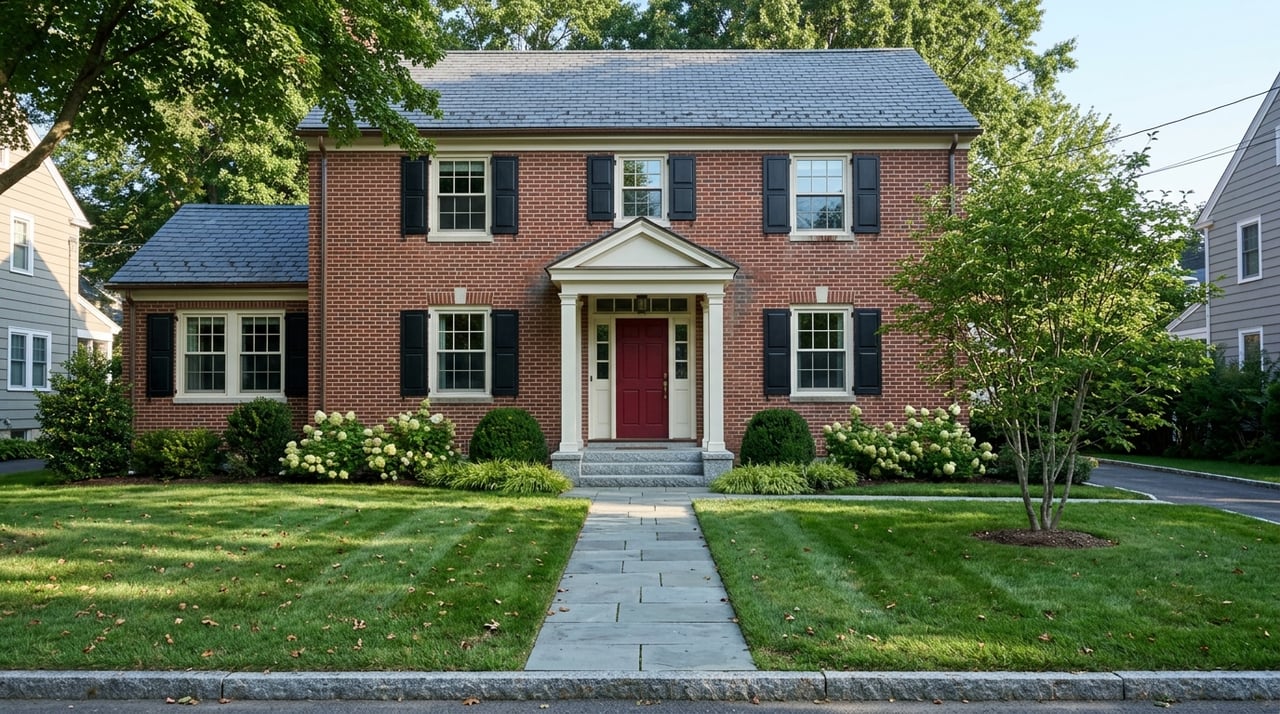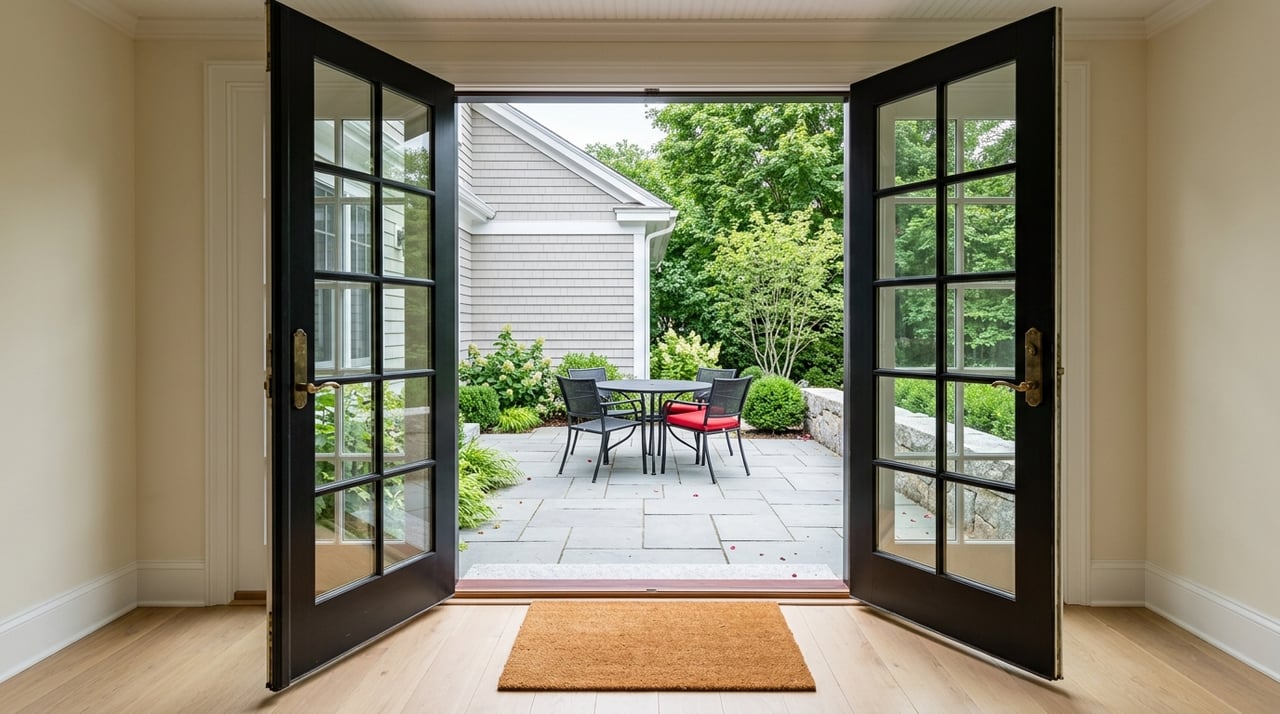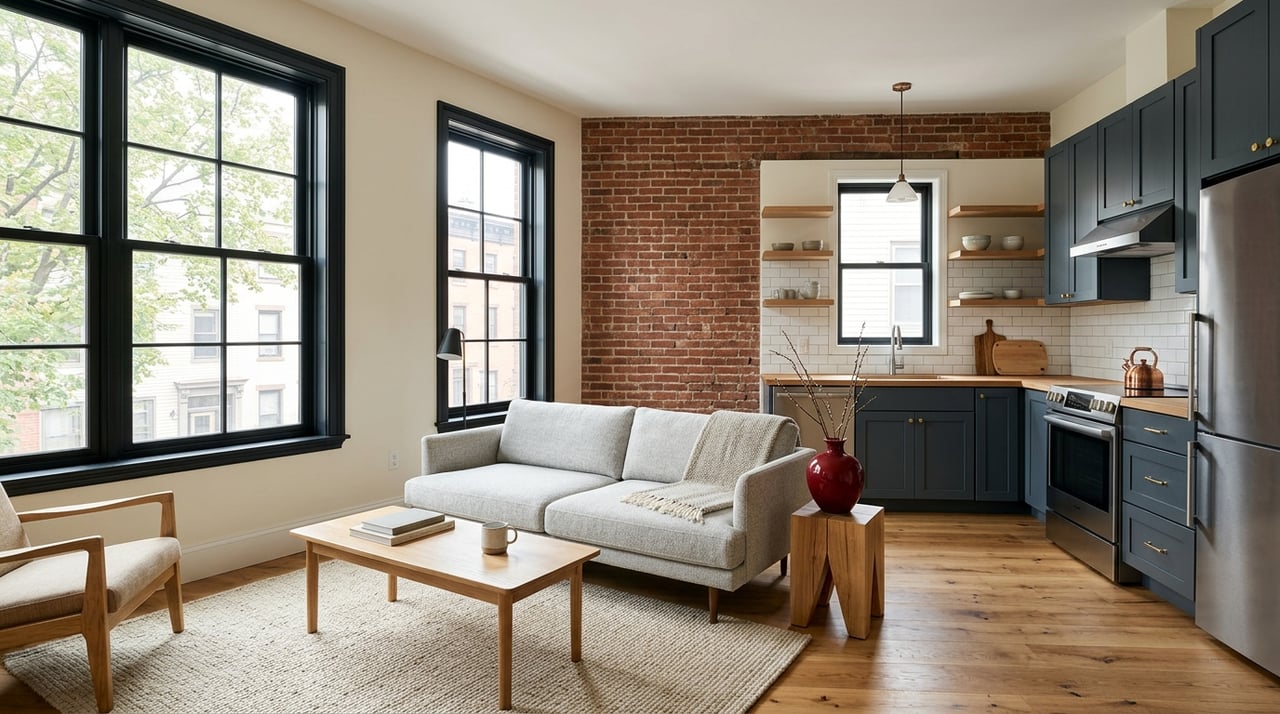
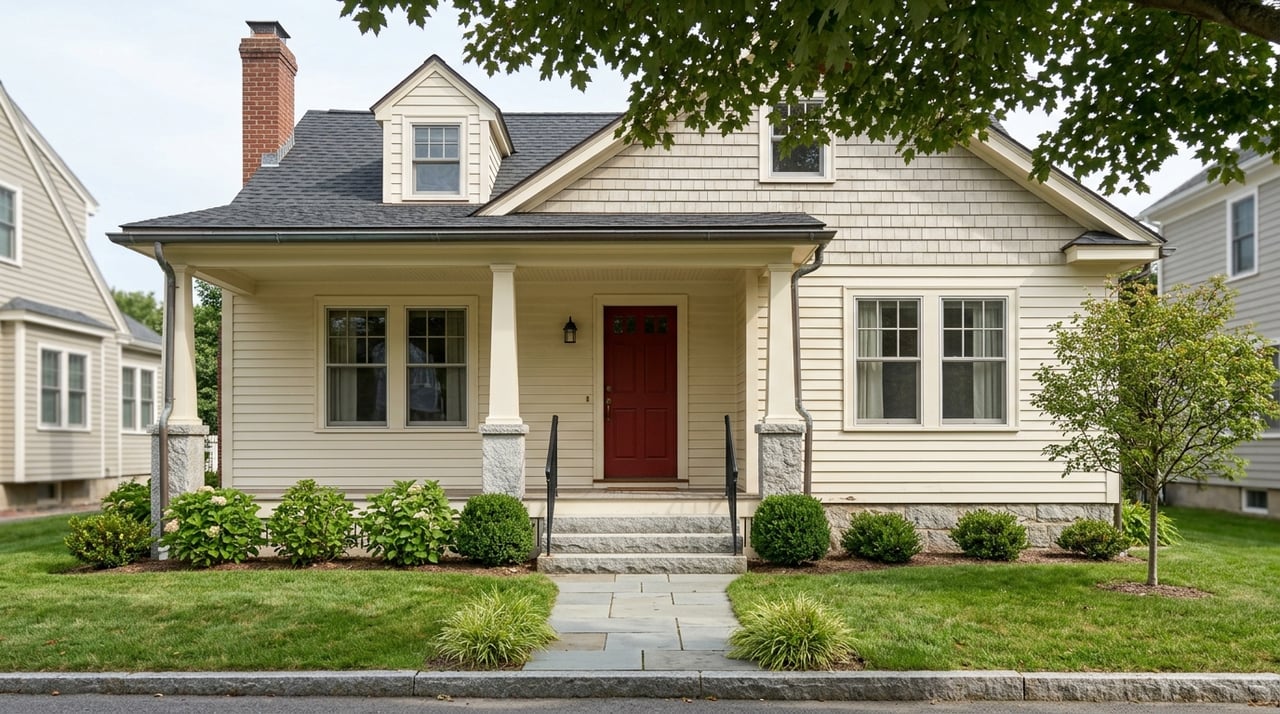
Buying an older home in Arlington can be exciting, but it also asks more of you than a quick walk-through and a fresh coat of paint. One house may date to the 1800s, while another may be a 1920s bungalow or two-family with a very different set of repair needs. If you are thinking about buying an older Arlington home, it helps to know what to look for before you commit. Let’s dive in.
Why older Arlington homes vary so much
Arlington’s housing stock spans centuries, from early 18th-century homes to mid-20th-century suburban development. The town also has seven local historic districts covering more than 300 properties, which adds another layer to the buying process for some homes.
That means “older home” is not one single category here. You could be looking at a Federal-era house, an Italianate property, a Queen Anne, a Shingle Style or Colonial Revival blend, or a compact early-20th-century bungalow. Each comes with its own layout, materials, systems, and maintenance profile.
Common older home styles in Arlington
Understanding the type of home you are buying can help you ask better questions during showings and inspections. Style is not just about appearance. It often shapes how the house ages and what it may cost to maintain.
Early houses and village-era homes
Arlington still has Federal-period homes, along with Italianate houses in older residential sections of town. These homes may offer distinctive proportions and period details, but they can also include older structural elements, aging windows, or layered renovations from different eras.
If a home has been updated many times over the years, your inspection should help sort out what is original, what has been replaced, and what may still need major work. That distinction matters when you start budgeting.
Queen Anne and mixed-style homes
Queen Anne houses appear especially south of Massachusetts Avenue in Arlington Heights and around Pleasant Street. Many are not purely Queen Anne and instead combine Shingle Style and Colonial Revival details.
In practical terms, these homes often have more roof intersections, porches, trim, and mixed exterior materials. They can be beautiful and full of character, but they may also bring more maintenance and more decisions about repair versus replacement.
Bungalows and two-families
East Arlington has a large concentration of two-family dwellings. Planned early-20th-century areas such as Kensington Park and Orvis Road include bungalows and other smaller suburban houses.
These homes may feel more straightforward than larger period properties, but age still matters. Older wiring, insulation gaps, moisture issues, or lead-related concerns can still shape your renovation plans and long-term costs.
The biggest cost drivers to understand
When you buy an older Arlington home, the sticker price is only part of the picture. Some of the most important costs appear after inspection, when you begin thinking through safety, code compliance, and future upgrades.
Lead-safe renovation rules
Massachusetts says the lead law applies to homes built before 1978. Sellers and real estate agents must notify buyers and tenants of lead risks, and lead hazards must be removed or controlled when a child under 6 lives in the home.
That matters in Arlington because many older homes were built well before 1978. Massachusetts also says paid work in pre-1978 housing that disturbs more than 6 square feet inside or 20 square feet outside must be done by a lead-safe renovation contractor.
EPA estimates that 87% of homes built before 1940 and 24% of homes built from 1960 to 1978 still contain some lead-based paint. For you as a buyer, that means lead should be part of your planning, especially if you expect to open walls, replace windows, or update trim.
Asbestos during renovation
Asbestos is often more of a renovation issue than a daily living issue when materials are intact. The key concern is whether planned work will disturb older materials in walls, ceilings, flooring, insulation, or mechanical areas.
MassDEP has survey and notification guidance for applicable demolition and renovation work, including some electrical, plumbing, or mechanical repair activities that disturb asbestos-containing material. If you are buying with renovation in mind, this should be part of your contractor conversation early.
Electrical and insulation conflicts
Older homes sometimes contain knob-and-tube wiring, an older electrical method from the late 1800s and early 1900s. Mass Save says outdated wiring must be remediated before insulation upgrades can move forward.
This can affect your budget in a big way. You may think you are planning simple air sealing or insulation work, only to learn that electrical remediation has to happen first.
Moisture, roof, and plumbing repairs
In older homes, water management is never cosmetic. Massachusetts healthy-homes guidance specifically calls out repairing roofing, siding, and plumbing leaks.
Even a small leak can grow into a larger repair once walls, insulation, or finishes are opened up. During due diligence, ask your inspector to help you understand whether any stain, patch, or musty area points to an active issue or an old one that was already resolved.
Radon testing
Massachusetts says radon can build up in new or old homes, with or without basements. For an older Arlington house, that makes radon worth discussing even when the home appears solid and well maintained.
Testing the basement or lowest level is a practical place to start. If radon has not already been addressed, you may want to test during inspection or soon after closing.
Historic district rules can change your plans
Arlington has seven local historic districts: Avon Place, Broadway, Central Street, Jason/Gray, Mount Gilboa/Crescent Hill, Pleasant Street, and Russell. If the home you want is in one of these districts, exterior changes may involve another approval step.
The Historic Districts Commission reviews most proposed exterior design changes, including minor alterations, additions, and removal of trim or structures. Visible exterior work can include windows, doors, roofs, gutters, building materials, exterior mechanical, electrical, and plumbing systems, fences, walls, and grade changes.
Paint colors are not reviewed, and some ordinary like-kind repairs may receive a non-applicability certificate. Still, under the bylaw, the building department cannot issue a permit for covered exterior work or demolition until the required certificate is issued.
Permits matter more than many buyers expect
Arlington’s Inspectional Services Department enforces the Commonwealth’s building, wiring, plumbing, and fuel-gas codes. That makes permit questions part of your due diligence, not something to figure out after closing.
If you are considering a new kitchen layout, replacement windows, exterior mechanical equipment, a dormer, or an addition, ask early whether the project needs a building permit, historic-district approval, or both. A good buying strategy is to understand these requirements before you count on a certain renovation plan.
Smart questions to ask before you buy
Older homes reward buyers who plan in phases. Start with safety, code, and building-envelope issues first, then move into comfort, efficiency, and cosmetic upgrades.
Here are a few smart questions to bring to your inspection and contractor conversations:
- What appears original in the home, and what has already been updated?
- Which systems may need full replacement rather than a short-term repair?
- Is there a lead notification package, prior deleading record, or letter of compliance for this pre-1978 property?
- Are any materials likely to contain asbestos if we open walls, ceilings, flooring, or insulation?
- Is any older wiring present that could affect insulation or air sealing work?
- Should the home be tested for radon during inspection or immediately after closing?
- If the home is in a local historic district, would planned exterior work need a certificate before a permit can be issued?
- Would a no-cost Mass Save Home Energy Assessment be a smart first step after purchase?
A practical way to plan your first year
The most useful mindset for buying an older Arlington home is phased planning. Not every project has to happen at once, and trying to do everything at once can make budgeting harder.
A strong first-year plan often looks like this:
Phase 1: Stabilize and secure
Focus first on leaks, active water issues, safety concerns, and any immediate code-related repairs. This is the work that protects the house and helps prevent costlier damage.
Phase 2: Resolve systems and efficiency issues
Next, look at wiring, insulation barriers, heating-related improvements, and energy planning. Mass Save says homeowners can start with a no-cost virtual or in-person Home Energy Assessment, which can help you understand what upgrades are possible before opening up walls or ceilings.
Phase 3: Improve comfort and appearance
Once the house is stable and the major systems are addressed, cosmetic updates tend to be easier to prioritize. At that point, you can make design decisions with a clearer picture of the home’s condition and your long-term goals.
Buying an older Arlington home can be incredibly rewarding when you go in with clear eyes and a solid plan. The character that draws you in is often tied to older materials, layered renovations, and town-specific rules, so careful due diligence matters. If you want guidance on how to evaluate an older home, think through renovation potential, and buy with confidence in Arlington, The Agency Boston is here to help.
FAQs
What should you inspect first when buying an older Arlington home?
- Start by understanding what is original, what has been updated, and whether major systems, roofing, siding, plumbing, or wiring may need full replacement rather than a short-term fix.
What lead rules apply to older homes in Arlington, Massachusetts?
- Massachusetts says the lead law applies to homes built before 1978, requires seller and agent notification of lead risks, and requires lead-safe renovation practices for certain paid work that disturbs painted surfaces.
What should you know about asbestos in an older Arlington house?
- Asbestos is often a renovation concern, especially if planned work will disturb older materials in walls, ceilings, flooring, insulation, or mechanical areas.
Do historic district rules affect older homes in Arlington?
- Yes. Arlington has seven local historic districts, and many visible exterior changes may require review by the Historic Districts Commission before the building department can issue a permit.
Should you test an older Arlington home for radon?
- Massachusetts says radon can build up in new or old homes, with or without basements, so testing the basement or lowest level is a smart step to discuss during inspection or soon after closing.
What is a good first step after buying an older Arlington home?
- A practical first step is to stabilize any safety or water issues, then consider a no-cost Mass Save Home Energy Assessment to help plan insulation, air sealing, and related upgrades.