If you are trying to choose between Back Bay, the South End, and the Seaport, you are really choosing between three very different versions of Boston condo living. Each neighborhood offers a distinct mix of architecture, lifestyle, and price point, which can make the decision feel exciting and overwhelming at the same time. This guide will help you compare the three so you can narrow your search with more confidence. Let’s dive in.
How These Boston Condo Markets Differ
At a high level, Back Bay, the South End, and the Seaport all sit in Boston’s core condo market, but they serve different priorities. Back Bay is the most formally preserved and historic in feel, the South End is the most brownstone-centered and street-life oriented, and the Seaport is the newest and most amenity-driven.
That difference shows up not just in the look of each neighborhood, but also in the kind of daily life you can expect. If you want classic Boston character, your shortlist may look different than if you want waterfront views or newer full-service buildings.
Back Bay for Historic Prestige
Back Bay was created through 19th-century landfill and developed as a planned residential district with architecture inspired by Parisian design. Today, the neighborhood is known for vintage homes, landmark buildings, Newbury Street, Boylston Street, and Commonwealth Avenue.
For condo buyers, Back Bay usually means a mix of brownstone and rowhouse conversions along with luxury residences in larger buildings on major corridors. It tends to appeal to buyers who want a polished, iconic Boston setting with a strong historic identity.
Back Bay condo character
Back Bay stands out for its formal streetscape and well-known landmarks. The neighborhood also sits near the Public Garden, Commonwealth Avenue Mall, and the Charles River Esplanade, which gives it a strong connection to green space and riverfront access.
If your version of city living includes classic facades, grand streets, and a very traditional Boston feel, Back Bay often checks those boxes. It offers a sense of place that is hard to replicate anywhere else in the city.
Back Bay buyer considerations
Exterior work in the Back Bay Architectural District is subject to review by the Back Bay Architectural District Commission. If you are buying with plans for exterior changes or major facade updates, that review process is an important practical detail.
From a pricing standpoint, Back Bay currently has 121 condos for sale with a median listing price of $1.59 million. Current active listings range from about $550,000 to $5.495 million, which gives buyers a broad spread but still places the neighborhood firmly in the luxury category.
South End for Brownstone Living
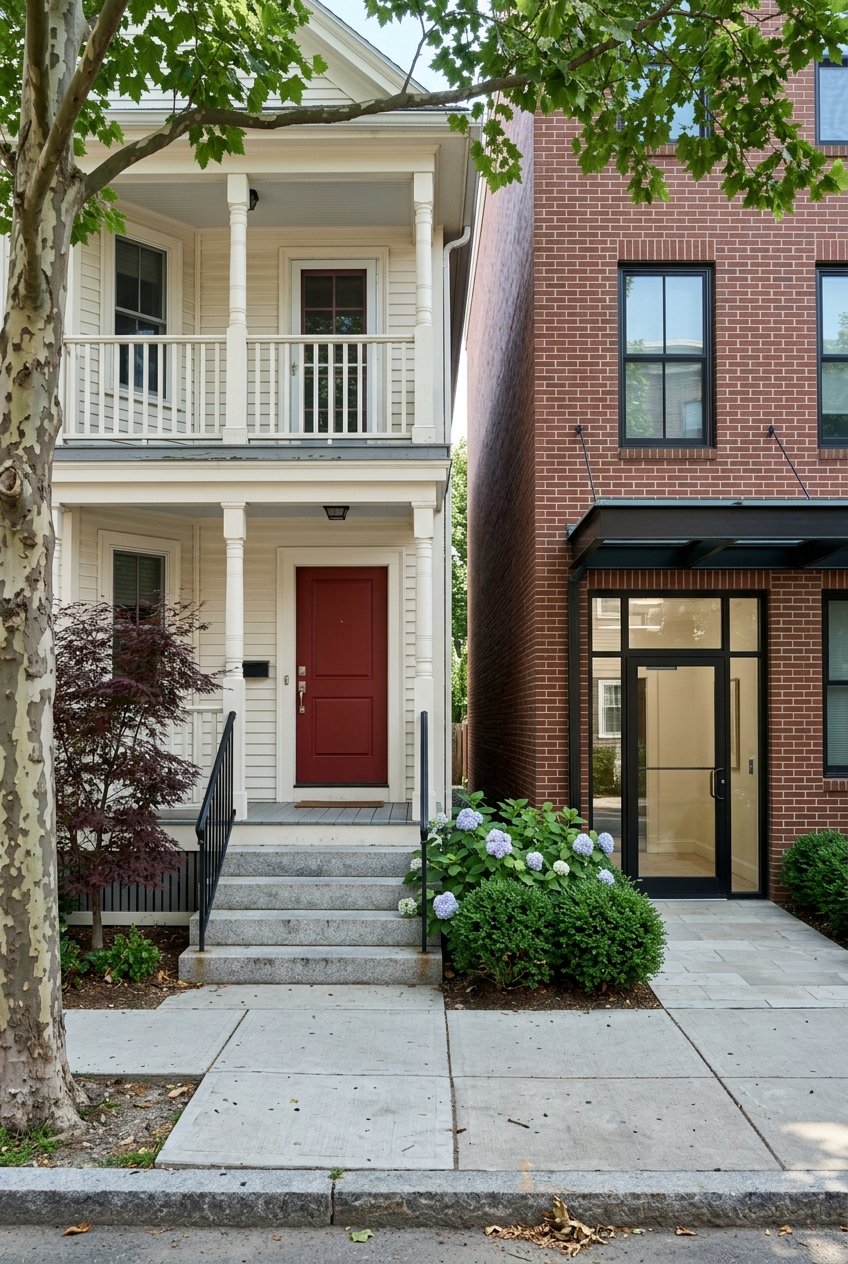
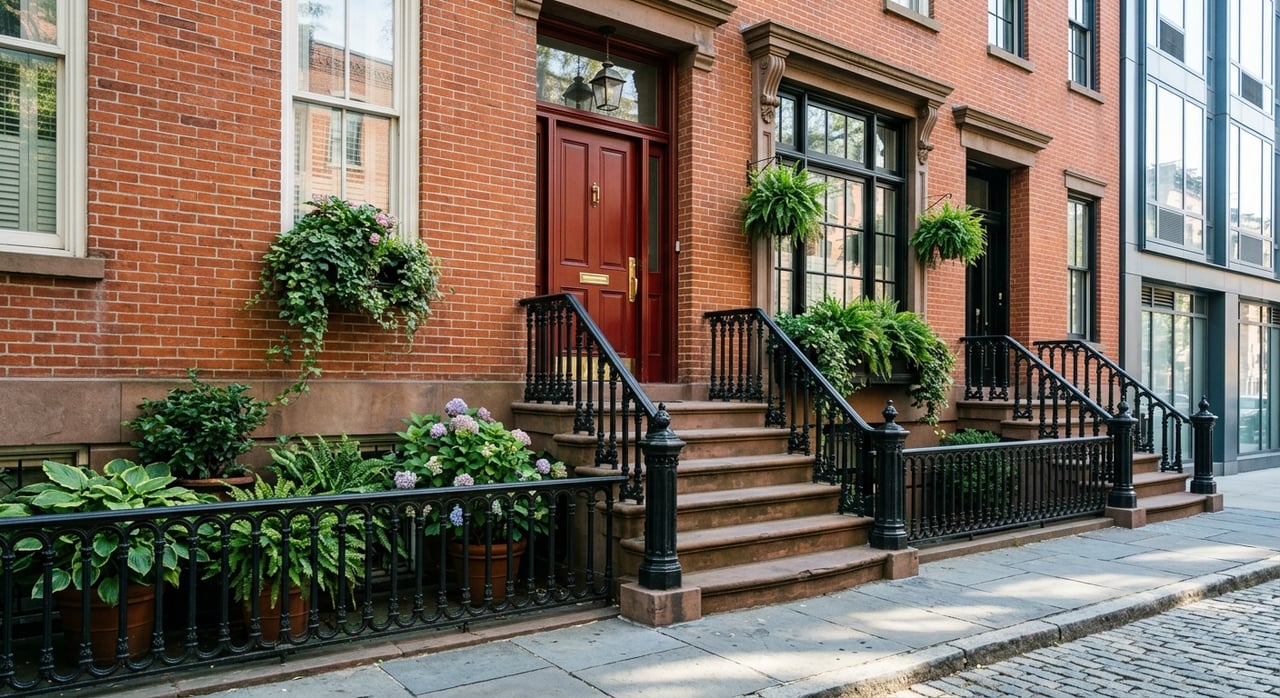
The South End began as filled marshland and developed starting in 1850 with fashionable rowhouses. Today, it is known for Victorian brownstones, a distinctive visual rhythm, and a neighborhood feel built around parks, small businesses, arts activity, and dining corridors.
For condo buyers, the South End usually offers rowhouse conversions, brownstone penthouses, and boutique-scale inventory rather than large glass towers. If you want historic architecture with a more residential street experience, this neighborhood often feels especially appealing.
South End lifestyle and setting
The South End is less about waterfront living and more about everyday neighborhood energy. The city highlights nearly 30 parks, SoWa Open Markets on Harrison Avenue, Tremont Street’s Restaurant Row, and Shawmut Avenue’s boutiques and restaurants.
That combination gives the South End a strong sense of local rhythm. You get central Boston access, but with an experience shaped more by tree-lined streets, brownstones, and walkable dining than by skyline towers or harbor views.
South End buyer considerations
Like Back Bay, the South End also has a landmark district review process. Exterior work on visible portions of buildings is reviewed by the South End Landmark District Commission, which matters if you are drawn to a unit with renovation plans that affect the building exterior.
The South End currently shows 161 condos for sale, the deepest active inventory of the three neighborhoods. Its median listing price is $1.07 million, with active examples ranging from roughly $799,000 to $1.795 million, making it the most accessible entry point of the three by current median listing data.
Seaport for Modern Waterfront Luxury
The Seaport is the newest and most development-driven of the three neighborhoods. Boston planning materials describe it as a fast-growing waterfront district that has transformed from warehouses and industrial land into a creative, tech, and residential hub.
That modern identity is a big part of its appeal. If you want newer construction, contemporary finishes, and a waterfront setting, the Seaport offers a very different condo experience from the historic fabric of Back Bay and the South End.
Seaport housing and amenities
The Seaport’s housing stock includes newer apartment and condominium buildings, along with options tied to Fort Point’s warehouse loft inventory. It is the most amenity-heavy of the three, and it is also the clearest fit for buyers who want a more recent build profile.
Lifestyle here is strongly tied to the harbor. Harborwalk runs along the piers and connects to a 45-mile waterfront path network, while the district also includes major cultural destinations such as the Institute of Contemporary Art and the Children’s Museum.
Seaport buyer considerations
The Seaport is also the priciest of the three neighborhoods by both current listing and recent sale data. It currently has 54 condos for sale with a median listing price of $2.0 million, and its median sale price in March 2026 was $2.9775 million.
Active listings range from about $799,000 to $6.725 million. That puts the Seaport in a premium tier, with less available inventory than either Back Bay or the South End.
Price Comparison at a Glance
If you are comparing these three neighborhoods mainly through a budget lens, the current numbers offer a helpful starting point. Listing medians and closed-sale medians are different data sets, so it is best to treat them as market context rather than direct apples-to-apples measures.
| Neighborhood | Condos for Sale | Median Listing Price | March 2026 Median Sale Price |
|---|---|---|---|
| Back Bay | 121 | $1.59 million | $1.434 million |
| South End | 161 | $1.07 million | About $1.3675 million |
| Seaport | 54 | $2.0 million | $2.9775 million |
Boston’s citywide median listing price was $899,000 in March 2026, so all three neighborhoods sit above the broader city median. Even so, they occupy different tiers within Boston’s luxury condo landscape.
Which Neighborhood Fits Your Priorities?
The best neighborhood for you depends on what you value most in day-to-day living. Architecture, setting, building style, and price all matter, but so does how you want your home to feel when you step outside.
Here is a simple way to frame the choice.
Choose Back Bay if you want:
- Formal historic character
- Iconic streets and landmarks
- Access to the Public Garden, Commonwealth Avenue Mall, and the Charles River Esplanade
- A classic Boston luxury feel
Choose South End if you want:
- Brownstone architecture and boutique condo options
- A neighborhood feel shaped by parks and restaurant corridors
- More active condo inventory to choose from
- A lower current median listing price than Back Bay or the Seaport
Choose Seaport if you want:
- Newer construction and more modern design
- Amenity-rich buildings
- Harbor views and direct waterfront access
- A contemporary luxury setting
A Practical Note on Inventory and Flexibility
Inventory matters because it shapes how many real options you can compare at one time. Right now, the South End has the most active condo supply, followed by Back Bay, then the Seaport.
That does not automatically make one neighborhood better than another, but it can affect your search strategy. More supply often means more variety in layout, price, and building style, while lower supply can make it harder to wait for the exact unit you want.
Final Thoughts for Boston Condo Buyers
There is no universal winner between Back Bay, the South End, and the Seaport. The right fit depends on whether you are drawn to classic architecture, neighborhood street life, or modern waterfront living.
If you want timeless prestige and river-adjacent green space, Back Bay may stand out. If you want brownstone charm and a lively streetscape, the South End may feel like home. If you want newer luxury and a true harborfront experience, the Seaport may be the strongest match.
A clear neighborhood strategy can save you time, sharpen your search, and help you evaluate listings with more confidence. If you are weighing these Boston condo markets and want guidance tailored to your goals, The Agency Boston can help you compare options and move forward with clarity.
FAQs
What is the main difference between Back Bay, South End, and Seaport for condo buyers?
- Back Bay is the most formally historic and preservation-oriented, the South End is the most brownstone- and street-life-focused, and the Seaport is the newest and most amenity-driven.
Which Boston neighborhood has the most condo inventory right now?
- The South End currently has the most active condo inventory of the three, with 161 condos for sale.
Which Boston neighborhood is the most expensive for condo buyers?
- The Seaport is the most expensive by current median listing price at $2.0 million and by March 2026 median sale price at $2.9775 million.
What should buyers know about historic district rules in Back Bay and the South End?
- In both neighborhoods, exterior work on visible building features is subject to local review through district commissions, so buyers planning exterior changes should factor that into their decision.
Is Back Bay or Seaport better for waterfront access in Boston?
- Seaport is the stronger fit for direct harborfront access, while Back Bay is better known for riverfront access through the Charles River Esplanade.
Which Boston neighborhood may offer a lower condo entry point?
- Based on current median listing data, the South End has the lowest median listing price of the three at $1.07 million.