If you are shopping luxury condos in Boston, it is easy to get swept up in glossy amenity photos. But the features that truly elevate your daily life, protect resale, and support smooth financing are more practical than flashy. You want the amenities you will use every day and the building fundamentals that keep costs predictable.
This guide shows you which amenities Boston buyers value most, how those priorities shift by neighborhood, and what to verify during due diligence. You will find clear questions to ask on tours and links to local resources so you can buy with confidence. Let’s dive in.
Amenities Boston buyers really use
Deeded and secure parking
For many city buyers, deeded parking is not a nice-to-have. It is essential. In core neighborhoods like Back Bay, Beacon Hill, the South End, and the Waterfront, secure or deeded spaces are scarce and can command very large premiums. Local reporting shows prime garage spots can trade in the mid-hundreds of thousands, underscoring how parking functions like its own micro asset in Boston’s tight market. See the Boston Globe’s coverage of exclusive parking premiums in Boston.
When you tour, confirm whether the space is deeded, assigned, valet-only, or rentable. If it is deeded, make sure it conveys with the unit. If it is separate, understand market pricing and monthly costs so you can budget accurately.
Private outdoor space
In dense neighborhoods, private outdoor access changes how you live. A balcony, terrace, or roof deck creates a daily retreat and often speeds time-to-offer. Shared roof decks can be valuable too when they are well maintained and easy to access. Industry coverage highlights why usable outdoor spaces remain top priorities.
On tour, pay attention to privacy, wind, and noise. A small, sheltered terrace you will actually use is worth more than a showpiece deck you avoid.
Fitness, wellness, and package handling
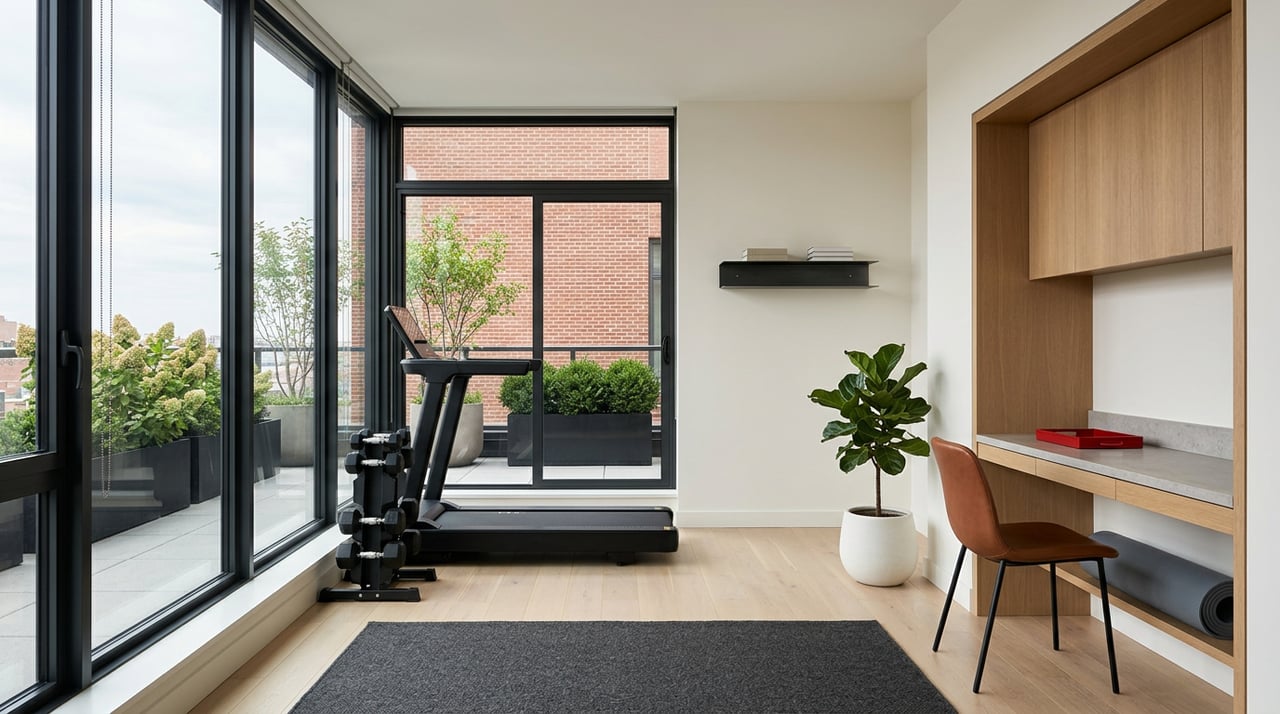
Residents consistently favor practical, frequently used amenities. A well-equipped fitness center, secure package rooms or smart lockers, and small wellness spaces see steady daily traffic. The NMHC/Grace Hill survey shows these conveniences rank high in resident satisfaction and usage. Review the NMHC renter preferences summary and ask buildings for maintenance plans and utilization data.
Work-from-home spaces and connectivity
Hybrid schedules make quiet, functional work zones and robust internet nonnegotiable. Look for a layout that accommodates a true office or an alcove with acoustic separation. Confirm providers, wiring, and speeds so you can count on reliable video calls. The NMHC findings reinforce how internet quality and flexible work areas now sit near the top of resident priorities. See the NMHC preferences summary.
In-unit essentials
Daily life runs on central air, in-unit laundry, good storage, and effective soundproofing. These items top nearly every resident survey because you use them every day. In older Boston buildings, confirm what the unit offers and what upgrades are allowed. The NMHC survey summary highlights the value of strong in-unit systems and immediate internet availability.
Pet amenities and bike storage
If you have pets or bikes, practical infrastructure matters more than a themed lounge. Look for secure bike rooms, easy street access, and pet-wash or relief areas that people actually use. Industry coverage advises focusing on flexible, high-use features over novelty rooms. Review the amenity trends discussed in Multifamily Executive’s analysis of evolving resident needs.
EV charging and futureproofing
Massachusetts law supports owners’ ability to install EV charging equipment in condo properties, subject to reasonable rules. Ask how the HOA handles EV installation, metering, and costs so you can plan ahead. Learn more in Chapter 183A §10A of the state statute on EV supply equipment rights for condo owners.
Amenities that look better than they live
Low-use showpiece rooms
Large theaters, demo kitchens, private wine rooms, or overly themed lounges can be beautiful, but they often see limited weekly use unless they are part of an active programming calendar. Operators increasingly prefer flexible, multi-use rooms that can adapt to work, meetings, or resident events. See the trends in Multifamily Executive’s amenity outlook.
The fee and maintenance drag
Flashy amenities can drive higher operating costs and capital obligations. That may lead to higher monthly condo fees or special assessments if reserves are thin. Lender rules also tie unit-level mortgage eligibility to the association’s financial health. Buildings that miss reserve expectations can complicate buyer financing and hurt resale. Review the guidance on condo association reserves and warrantability.
Neighborhood lens: Back Bay to Seaport
Back Bay and Beacon Hill
These historic, prestige markets set high expectations for full-service touches like concierge staffing and secure parking. Private outdoor space is scarcer, which makes it more valuable when you find it. For a current snapshot of values, review Zillow’s Back Bay market page, then compare building services and fees line by line.
South End
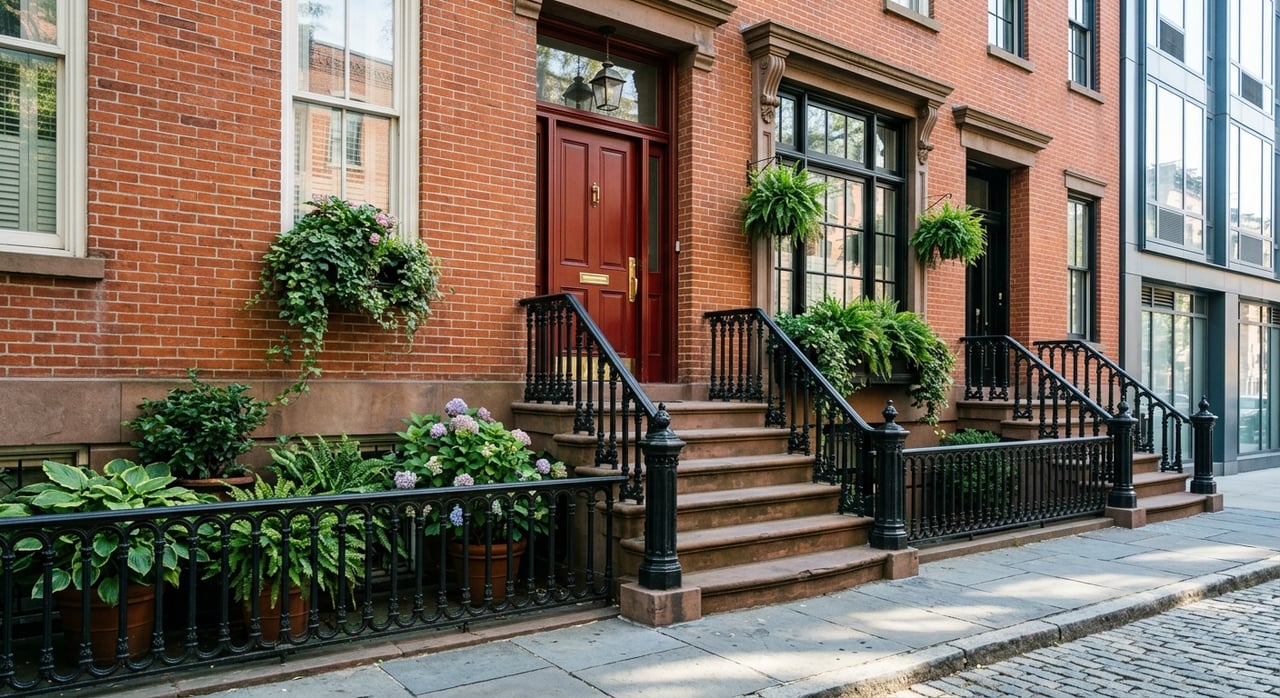
The South End blends brownstones with luxury conversions. Buyers here prize usable outdoor space and layouts with great flow. Boutique amenity mixes that emphasize practicality, like a solid gym, storage, and a doorman, tend to do well. For context on neighborhood values, see Zillow’s South End overview.
Seaport and the Waterfront
Boston’s newest towers offer resort-style amenity packages and walls of glass. That appeal comes with a detail you should not skip: coastal and flood resilience. Insurance costs, capital plans, and even habitability may be affected over time. Review the city’s coastal-resilience planning to understand long-term safeguards and budgets at the building level. Start with Boston’s official resources on coastal resilience planning.
Other in-demand micro-markets
In areas like Fenway, Charlestown, and South Boston, new construction often competes on usable terraces, secure bike storage, and reliable building services rather than grand but seldom-used shared spaces. Weigh commute needs, parking supply, and outdoor access against fee levels to find the right fit.
How amenities tie to financing and resale
HOA financial health matters
The quality of an amenity package is only half the story. The other half is the association’s financials. Lender and secondary-market rules expect robust reserve funding and sound insurance coverage. If a building underfunds reserves while carrying expensive amenities, you may see higher fees, special assessments, or limited mortgage options. Study the condo financing and reserve expectations and have your agent request the most recent reserve study.
Insurance and waterfront exposure
For Seaport and waterfront addresses, confirm the HOA’s master insurance, recent premium history, and planned resilience projects. Ask for flood maps and any elevation certificates, then compare those details with the city’s coastal resilience initiatives. This information affects long-term costs and peace of mind.
Your due-diligence checklist
Use this quick list while touring and reviewing condo documents. It will help you separate lifestyle value from listing theater.
Association reserves and financials. Ask for the current budget, balance sheet, reserve study, and recent special assessments or delinquency rates. Compare reserve allocations to GSE expectations. Reference: Financing guidance on reserves.
6(d) certificate timing. Confirm how and when the 6(d) will be issued so closing is not delayed. Learn what it certifies in this overview of Boston’s 6(d) certificate.
Condo fee breakdown. Request a recent P&L and line-item list of services. High fees that fund real daily value can be fine. High fees for low-use spaces deserve scrutiny. See the NMHC resident preferences summary.
Parking details. Verify if the space is deeded, assigned, valet-only, or separately sold. If not included, get market pricing. For context on value, review the Boston Globe’s look at premium parking.
EV charging plan. Ask how owners install chargers, how power is metered, and any upfront costs. Massachusetts law protects reasonable installation rights. Read the EV statute for condos.
Flood and insurance exposure. For waterfront and Seaport units, request FEMA/FIRM maps, elevation certificates, insurance history, and planned building upgrades. Cross-check with the city’s coastal resilience planning.
Amenity operations and usage. Ask for staffing schedules, maintenance plans, and utilization metrics. Favor amenities with consistent, documented use.
Management and governance. Review board minutes for the last 12 to 24 months, management agreements, litigation disclosures, rental and pet policies.
Technology and in-unit systems. Confirm providers, wiring, and speeds. Verify HVAC type and any rules for upgrades.
Daily-life friction checks. Test loading areas, elevators, noise levels at peak times, and privacy on terraces or balconies. Small conveniences add up.
Smart trade-offs by buyer type
- Frequent traveler or pied-a-terre: Prioritize concierge, security, reliable package handling, and easy transit. Parking may be optional if you rarely drive.
- Car-owning commuter: Deeded parking, storage, smooth garage access, in-unit laundry, and consistent building staffing should rise to the top.
- Hybrid WFH professional: A real, quiet office space, strong connectivity, great AC, and access to reservable meeting rooms will pay dividends.
- Investor focused on resale: Favor warrantable associations with solid reserves, deeded parking in supply-constrained submarkets, and widely appealing amenities like usable outdoor space.
Ready to focus on the features that truly move the needle? If you want help prioritizing amenities by neighborhood and building, and you would like a second set of eyes on reserve studies or fee structures, connect with our team at The Agency Boston. Request a Complimentary Consultation and make your next Boston condo decision with confidence.
FAQs
Which Boston condo amenities have the best resale impact?
- Deeded parking, private outdoor space, daily-use services like a quality gym and secure package handling, and strong in-unit systems tend to support broader buyer demand and smoother resale.
How valuable is deeded parking in Back Bay or the South End?
- Prime garage spots in core neighborhoods can command very large premiums; local reporting shows mid-hundreds of thousands in some cases, so confirm whether a space is deeded and conveys with the unit.
What should I ask about EV charging in a Boston condo?
- Ask whether owners can install chargers in deeded spaces, how electricity is metered and billed, and any HOA process or costs under Massachusetts Chapter 183A §10A.
How do HOA reserves affect my mortgage options?
- Associations with insufficient reserves or challenging insurance profiles can limit or complicate conventional financing, which may affect both your loan process and future resale.
What flood-resilience questions apply to Seaport condos?
- Request flood maps and elevation certificates, review the HOA’s insurance and recent premiums, and ask what resilience projects are budgeted for the building relative to city coastal plans.
What is a 6(d) certificate in Boston condo sales?
- It is a document confirming the unit’s condo fees and assessments are current; you typically need it at closing, so clarify timing and procedure early in the process.